Wholesale Baking Supplies: A Practical Buying Guide for Bakeries and Food Businesses
Quick Answer
Wholesale Baking Supplies are ingredients, packaging materials, and baking essentials purchased in larger quantities for commercial or frequent use. Bakeries, cafés, restaurants, and food businesses buy wholesale to manage ingredient costs, maintain inventory, and support consistent production. Choosing the right supplier requires comparing product quality, pack sizes, pricing, storage requirements, and delivery reliability.
What Are Wholesale Baking Supplies?

Wholesale Baking Supplies include the ingredients and materials businesses need to prepare baked goods regularly.
These products may include flour, sugar, baking powder, baking soda, flavoring extracts, spices, coconut products, and packaging materials.
Unlike occasional household purchases, wholesale buying focuses on larger quantities, predictable demand, and consistent ingredient availability.
For bakeries and food businesses across the USA, choosing suitable baking supplies can help simplify purchasing and reduce interruptions during production.
Essential Wholesale Baking Supplies for Commercial Kitchens
The ingredients a business needs depend on its menu, production volume, and baking methods.
1. Flour and Baking Ingredients
Flour is a foundation for bread, cakes, cookies, pastries, and many other baked products.
Different recipes require different flour types, so selecting the correct product is important for consistent results.
Other essentials may include baking powder, baking soda, yeast, and cornstarch.
2. Sugar and Sweeteners
Sugar contributes sweetness, texture, color, and moisture to baked goods.
Common options include granulated sugar, brown sugar, powdered sugar, and specialty sweeteners.
Businesses should select products based on their recipes rather than assuming all sweeteners perform identically.
3. Flavoring Extracts and Spices
Vanilla, almond flavoring, cinnamon, nutmeg, and ginger can add distinctive flavors to cakes, cookies, pastries, and desserts.
These ingredients are particularly useful for businesses offering Caribbean-inspired baked goods.
4. Coconut and Specialty Ingredients
Coconut products can contribute flavor and texture to cakes, cookies, fillings, and traditional desserts.
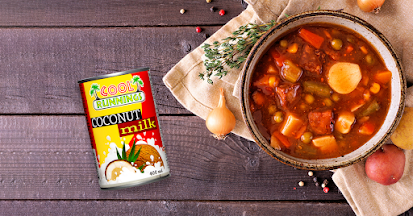
Depending on the recipe, businesses may use coconut milk, shredded coconut, or other coconut-based ingredients.
5. Packaging and Storage Materials
Food-safe containers, bakery boxes, bags, and ingredient storage containers help protect finished products and maintain organized inventory.
Packaging requirements vary depending on the food, distribution method, and applicable regulations.
Why Businesses Buy Wholesale Baking Supplies
Wholesale purchasing can offer several practical advantages when managed carefully.
More Predictable Ingredient Costs
Larger purchases may reduce the cost per unit, although discounts are not guaranteed.
Businesses should compare the total purchase cost, including shipping, storage, and potential waste.
Better Inventory Planning
Maintaining suitable ingredient quantities helps businesses prepare for regular customer demand.
Reliable inventory is especially important for bakeries that produce the same products daily.
Consistent Baking Results
Using ingredients with consistent specifications can help maintain product quality.
Changes in flour type, sweetener, or leavening ingredients may affect texture, appearance, and taste.
Reduced Purchasing Frequency
Buying appropriate quantities can reduce repeated ordering.
However, businesses should avoid purchasing more than they can safely store or use before quality declines.
Wholesale Baking Supplies vs. Retail Baking Supplies
Wholesale and retail baking products may contain similar ingredients, but purchasing arrangements differ.
Quantity and Packaging
Wholesale products are often available in larger packages or case quantities.
Retail products generally come in smaller sizes intended for household use.
Pricing
Wholesale purchasing may provide a lower unit price, especially for frequently used ingredients.
However, minimum order requirements and delivery costs can affect overall savings.
Storage Requirements
Larger quantities require more storage space and careful inventory management.
Retail-sized packages may be more practical for businesses with limited storage or irregular demand.
Which Option Is Better?
A bakery using flour and sugar every day may benefit from larger purchases.
A small home-based business producing occasional custom orders may prefer smaller quantities to reduce waste.
The right approach depends on purchasing volume, available storage, and ingredient shelf life.
How to Choose a Wholesale Baking Supplies Supplier
Selecting a supplier involves more than comparing prices.
Consider these important factors:
Product quality: Check ingredient specifications and suitability for your recipes.
Pack sizes: Choose quantities that match production demand.
Pricing: Compare unit costs, shipping fees, and minimum order requirements.
Availability: Look for dependable access to frequently used ingredients.
Shelf life: Review product dates and expected usage.
Food safety: Confirm appropriate handling, labeling, and storage information.
Delivery: Consider shipping locations, schedules, and potential delays.
Before placing a large order, testing a smaller quantity can help determine whether an ingredient performs as expected.
How to Manage Baking Supply Inventory
Good inventory practices help businesses control costs and reduce unnecessary waste.
Track Ingredient Usage
Record how much flour, sugar, spices, and other ingredients your kitchen uses during a typical production period.
This information can guide future purchasing decisions.
Follow First-Expired, First-Out Practices
Use ingredients with earlier expiration or best-by dates first, where appropriate.
Label containers clearly and follow the manufacturer's storage instructions.
Store Ingredients Properly
Keep dry baking ingredients in clean, suitable containers away from moisture, pests, and excessive heat.
Products requiring refrigeration should be stored according to their labels and food safety requirements.
Review Inventory Regularly
Routine stock checks help identify shortages, slow-moving products, and ingredients approaching their recommended use dates.
Baking Ingredients for Caribbean-Inspired Products
Businesses offering Caribbean-inspired desserts may need ingredients beyond standard flour and sugar.
Nutmeg, ginger, cinnamon, coconut products, and selected flavorings appear in various Caribbean baking traditions.
For example, nutmeg may be used in sweet breads and desserts, while ginger adds warmth to cakes and cookies.
Ingredient combinations vary by island and recipe, so businesses should select products that suit their specific menu.
Coolrunningsfoods offers a selection of baking-related products and Caribbean-inspired ingredients.
Businesses exploring ingredient options can browse the Coolrunningsfoods baking products collection to identify items suitable for their recipes.
Product availability, commercial pack sizes, and wholesale purchasing arrangements should be confirmed directly before ordering.
Common Mistakes When Buying Baking Supplies in Bulk
Bulk purchasing can create unnecessary costs when businesses overlook important details.
Buying excessive quantities: Ingredients may lose freshness before they are used.
Ignoring storage limitations: Large orders require adequate space and suitable conditions.
Comparing package prices only: Unit costs and delivery expenses provide a clearer comparison.
Skipping ingredient testing: A different brand or formulation may change baking results.
Overlooking product labels: Allergens, ingredient specifications, and storage instructions matter for commercial food preparation.
Careful purchasing decisions help businesses maintain consistent production without unnecessary inventory.
Conclusion
Wholesale Baking Supplies play an important role in keeping bakeries, cafés, restaurants, and other food businesses organized and prepared.
Choosing suitable ingredients, comparing total costs, and maintaining proper inventory can support efficient baking operations.
Whether purchasing everyday essentials or specialty ingredients for Caribbean-inspired desserts, businesses should prioritize product suitability, freshness, and reliable availability.
Frequently Asked Questions
1. What are Wholesale Baking Supplies?
Wholesale Baking Supplies are baking ingredients and related materials purchased in larger quantities for commercial or frequent use. Common examples include flour, sugar, baking powder, flavoring extracts, spices, and packaging. Bakeries, restaurants, cafés, and food businesses often purchase these supplies to manage inventory and support regular production.
2. Is buying baking supplies wholesale cheaper than retail?
Wholesale baking supplies may have lower per-unit prices than retail products, particularly when purchased in larger quantities. However, actual savings depend on minimum order sizes, shipping costs, storage expenses, and product usage. Businesses should compare total costs and avoid buying ingredients that may expire or lose quality before use.
3. What baking supplies should a small bakery buy in bulk?
Small bakeries often consider buying frequently used ingredients such as flour, sugar, baking powder, baking soda, and commonly used spices in larger quantities. The best products depend on the bakery's menu and sales volume. Ingredients with limited shelf life or irregular demand may be better purchased in smaller packages.
4. How do I choose a reliable wholesale baking supplier?
Evaluate suppliers based on ingredient quality, product specifications, pack sizes, pricing, availability, and delivery arrangements. Review food safety information and ask about minimum order requirements. Testing ingredients before making large purchases can help confirm that they perform consistently in your recipes and meet your business needs.
5. How should wholesale baking ingredients be stored?
Dry baking ingredients should generally be kept in clean, tightly closed, food-safe containers away from moisture, pests, and excessive heat. Refrigerated or frozen products require appropriate temperature control. Follow manufacturer instructions, label opened containers, and monitor product dates to maintain ingredient quality and reduce avoidable waste.
6. Can I buy Caribbean baking ingredients in wholesale quantities?
Some suppliers offer Caribbean-inspired baking ingredients in larger quantities, including spices, coconut products, and specialty sweeteners. Availability and wholesale arrangements vary by supplier and product. Businesses should confirm case sizes, minimum order quantities, pricing, and shipping terms before purchasing ingredients for commercial baking or food production.


Comments
Post a Comment